
Real Recovery. Real Results. Real return to life.
If you’re dealing with pain or injury, it’s often hard to know what the right next step is – or whether physiotherapy will actually help.
These case studies are here to give you a clearer picture.
Each one shares a real client’s journey – from their initial concern, through assessment and rehab, to returning to the activities that matter to them. You’ll see how we approach different injuries, how rehab is adapted to the individual, and what progress can realistically look like over time.
Whether your goal is getting back to running, sport, or simply moving more comfortably day-to-day, these stories are shared to help you recognise what’s possible – and feel more confident about your next step.
Browse by area or type of problem:
Not sure where to start? Choose the example that feels closest to your situation.
💪Shoulder & Elbow
Rotator cuff repair – return to golf
→ Read full case
Solly | business owner & golfer
Tennis elbow – return to competitive padel
→ Read full case
George | competitive padel
🦵Hip & Knee
Runner’s knee – return to competitive triathlon
→ Read full case
Sarah | student & triathlete
ITB pain – running and CrossFit post-surgery
→ Read full case
Saskia | recreational athlete
ACL repair – building back to gym and jiu-jitsu
→ Read full case
Thigao | dedicated Brazilian jiu-jitsu athlete
Pain post hip surgery – building back to consistent running
→ Read full case
Nerissa | avid runner
🦶Foot & Ankle
Achilles rupture repair – return to trail running
→ Read full case
Terrence | creative professional
Severe ankle sprain – back to cycling and climbing
→ Read full case
Jordan | cyclist & climber
If you’d prefer to speak to someone about your specific situation, you can → book an appointment here
💬 Note on Consent
Each person’s story, clinical details, and all shared material are published with their full informed consent. Their words are quoted directly and used with permission.
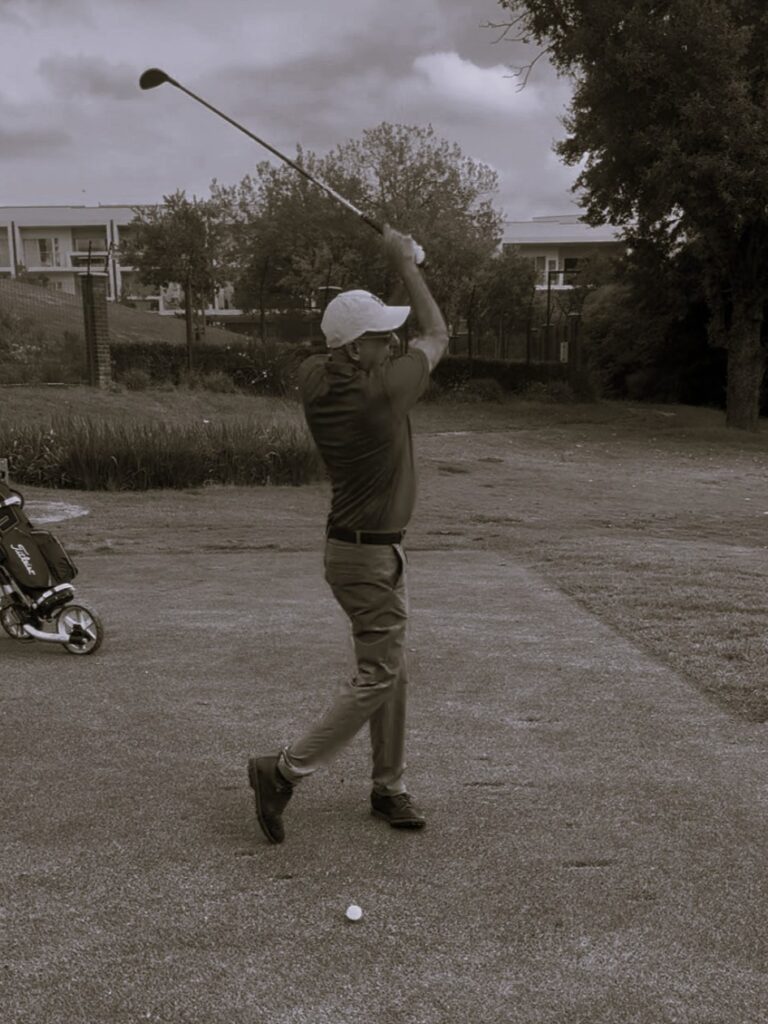
Case Study: Post-Operative Rotator Cuff Repair – Return to Golf and Independence
Presenting Problem: Shoulder Surgery and Significant Movement Restriction
Solly, a 56-year-old medical professional, business owner, and keen golfer, came to physiotherapy following a right shoulder operation, including a rotator cuff repair, acromioplasty, decompression, and biceps tenodesis. This was his second rotator cuff repair — we had previously rehabilitated his left shoulder two years earlier.
Early recovery was complicated by a fall in the shower, which irritated the healing tissue and contributed to increased inflammation and stiffness. Combined with the metabolic impact of diabetes, this meant we were starting rehab behind the curve.
In his words:
“I had problems with my shoulder. I couldn’t move it in certain directions. My surgeon said that if I didn’t treat it properly, it would lead to long-term arm issues.” — Solly
Loss of Independence After Surgery
While the pre-surgery limitations were manageable, the post-operative phase brought a different challenge – loss of independence.
“After the surgery it was the loss of independence that was the biggest issue. I’m right-handed, and this was my right arm. That was difficult. There was more of a psychological problem than a physical one”
For someone balancing a demanding professional life, this disruption to daily function was significant.
Treatment Plan: Restore Movement, Rebuild Strength, Return to Function
Given the surgical complexity and early complications, rehabilitation required a careful, collaborative approach. We worked closely with his orthopaedic surgeon to guide safe progression through each phase.
Early rehab focused on protecting the repair while restoring passive movement, reducing stiffness, and maintaining comfort through the neck and shoulder girdle. As healing progressed, we gradually introduced active-assisted and active movement, followed by progressive strengthening – moving from isometric to more functional, load-bearing exercises.
A strong emphasis remained on regaining shoulder mobility, which had been significantly impacted by post-operative stiffness and inflammation. Later-stage rehab focused on functional strength and movement patterns to support a return to daily activities, gym work, and golf.
Solly reflected on the approach:
“You were very empathetic, but you weren’t soft. You pushed me to my limit, which was good because it facilitated quicker healing. We could have gone through things slowly, but I wouldn’t have been where I am today with much more movement.”
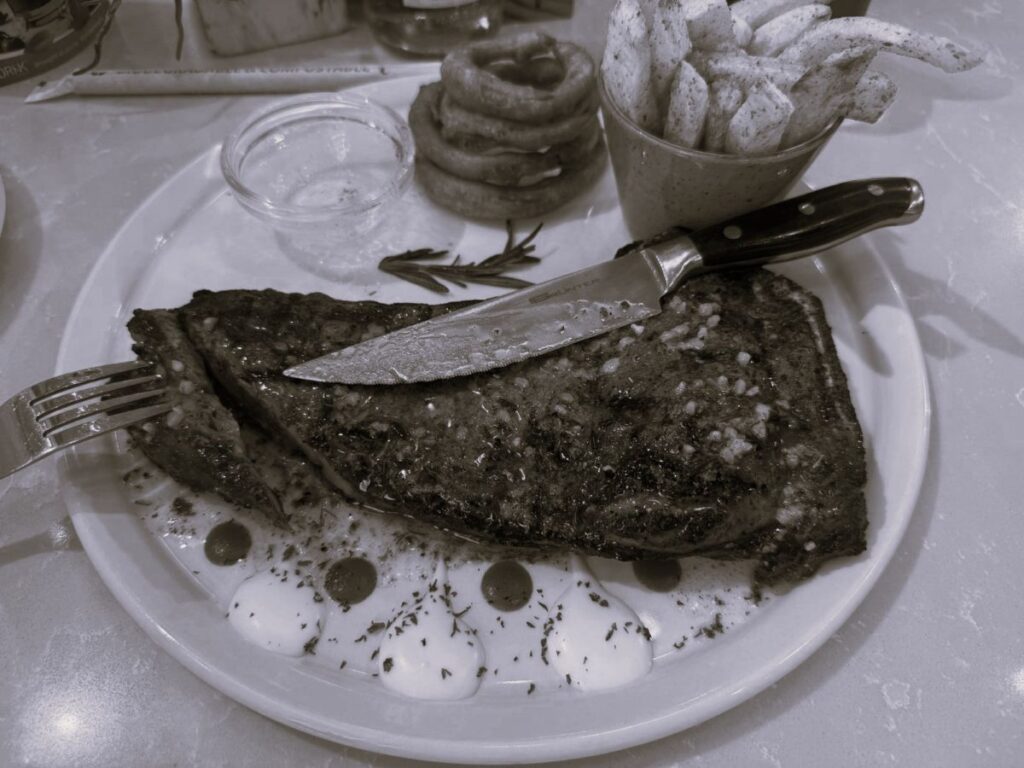
Turning Point: The Return of Everyday Function
For Solly, progress wasn’t defined by one big moment but by regaining the ability to do everyday tasks independently.
““I could turn the ignition with my right hand. I could release the handbrake, change gears… I didn’t have to rest my arm on my knee to lift it. I could also reach for my remote. And even cut my own steak again! Those are small victories. For a normal person, they’re nothing, but for me they were massive.”
These early functional gains came relatively quickly once physiotherapy began, restoring both movement and confidence.
Outcome: Back to Golf, Routine, and Confidence
Now nearing the end of his rehabilitation, Solly has returned to his daily routine, including work demands, home activities, and regular golf.
“It looks better because I’m getting back into my routine. I’m able to play golf twice a week, able to reach up and take something off a shelf, and being able to write right-handed again.”
His return to golf marked a major milestone:
“It feels like the best thing ever to be playing golf again. It’s about being out there, using my arms, being with friends, and doing something I enjoy without worrying.”
Even movements that were impossible before surgery are now achievable:
“There was one warm-up exercise I couldn’t do before. Yesterday, I could do it easily. That was a huge victory for me.”
He continues to build strength and range, with a focus on long-term shoulder health and performance.
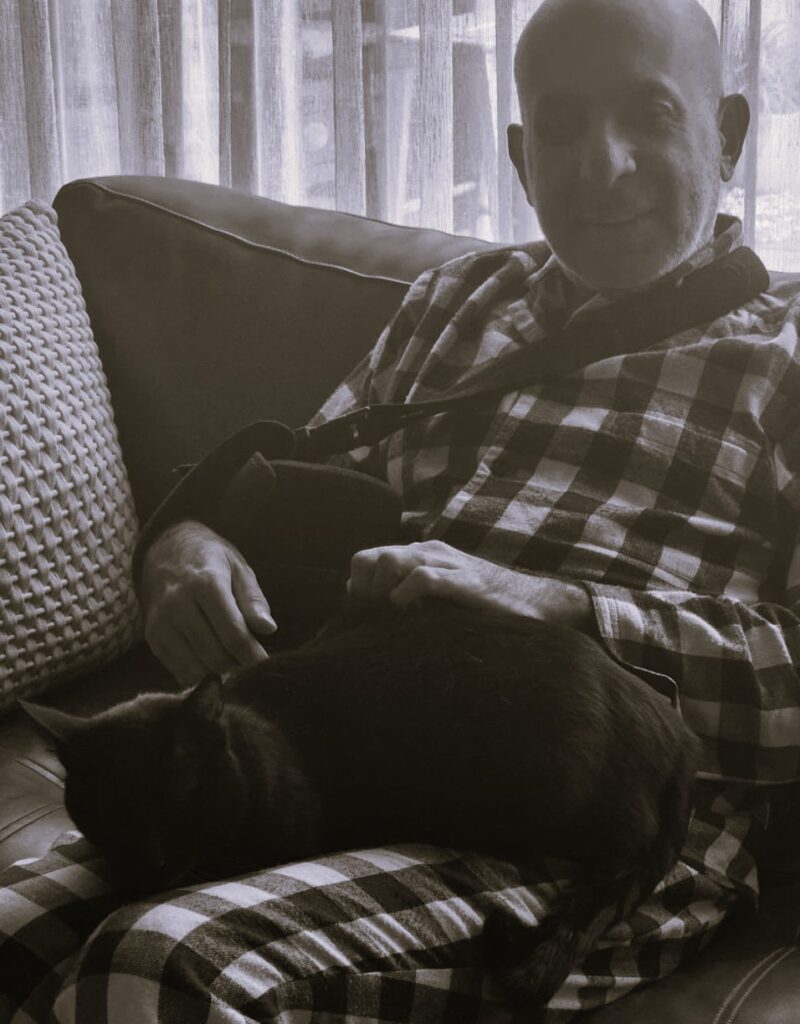
Physio Insight:
Post-operative shoulder rehab is not just about healing tissue, it’s about restoring independence, confidence, and functional strength. Consistency, guided progression, and patient buy-in are key to achieving strong long-term outcomes.
Recovering from shoulder surgery or struggling with ongoing shoulder pain?
Book a session with our experienced physio and let’s guide you through a structured recovery back to independence, full function, and sport.

Case Study: Competitive Padel Player Returning to Sport After Partial Tendon Tear (Tennis Elbow)
Presenting Problem: 7mm Elbow Tendon Tear After Intense Padel Training
George, an avid padel player with big goals for 2024, was referred for physiotherapy after developing worsening elbow pain. An ultrasound scan confirmed a partial intrasubstance tear of the common extensor tendon, with 7mm retraction — a classic case of lateral epicondylalgia, also known as “tennis elbow’.
“I tore my tendon at my elbow. The scan showed a 7mm tear. I was referred to Carmen Baier after receiving 3 PRP Injections” — George
“I Had Big Goals for Padel — This Injury Threw Me”
George described the early stages of the injury as mentally tough — the uncertainty around recovery was deeply frustrating.
“It was highly disappointing — I’d found a sport I thoroughly enjoyed and had major goals set for 2024. [After the diagnosis,] I wasn’t sure how it would set me back on my ‘vision for Padel excellence’ (cue laughter).”
Treatment Plan: A Whole-Body Rehab Plan for Long-Term Return to Padel
Assessment showed that along with the tear, George had some stiffness in his midback, and weakness in the functional chain of the shoulder and arm that work with the elbow. George’s treatment plan addressed not only the local tendon injury but the broader upper-quarter biomechanics contributing to his injury. Initial rehab involved hands-on treatment, targeted exercise progression, and load management — plus rest from racket work (the hardest part!). His wider support system of a coach and trainer was incorporated to maintain full-body conditioning.
“From the start, my experience was of everything going according to plan… Carmen explained things clearly, emailed me the exercises, and was well versed in deciphering my limited capability to articulate how my arm was feeling during our check-ins.”
His treatment plan also included dietary review to support healing, and close monitoring of loading parameters as racket work was reintroduced.

Turning Point: Seeing Step-By-Step Progress From the First Session
From the beginning, George saw the plan unfolding with purpose — each session building on the last, bringing small but meaningful improvements.
“From the first session I saw the beginning of the plan. The second session built slightly on the plan. I could see that there would be small steps towards recovery.”
Clinically, in these first few sessions we were using neuroplastic exercises to control pain and slowly build load tolerance in the tendon. George was also gaining strength in the shoulder and mid-back mobility was improving. Things were on track to reduce overload on the injured elbow.
Outcome: Back on Court Playing Padel Four Times a Week
Through the rest of treatment, we incrementally increased tendon loading, added speed work, reintroduced plyometrics, and then followed a graduated return to racket work. (Which tested George’s discipline no end!)
Fourteen weeks post-diagnosis, George is back on the padel court, playing four times a week and steadily increasing strength and endurance. His result is in no small part due to the work he put in daily, and his willingness to take a break from padel long enough to allow adequate healing and strengthening before going back to playing.
“I’m playing at 90% capacity and see my strength improving week after week.”

Physio Insight:
Lateral elbow injuries often need more than local treatment — they’re an upper-quarter issue. Progressive loading AND targeting the whole kinetic chain are key to long-term recovery. Often along with some strategic rest…
Struggling with tennis elbow or elbow pain from sport?
Book a session with our experienced physio and get a tailored recovery plan that works.

Case Study: Persistent Knee Pain in a Competitive Triathlete – Back to Racing Stronger
Presenting Problem: A Season Disrupted by Lateral Knee Pain
Sarah, a 23-year-old competitive triathlete and master’s student, was referred by a sports physician for conservative management of persistent ITB knee pain. At the time, she was unable to run at all – a major setback in the middle of her training cycle.
She describes how it began:
“I had developed a severe and persistent pain along the outside of my shin, just below my knee, during a long run. The pain escalated to the point that I could not walk the final stretch of the run and needed to be fetched. Even after resting for weeks, every attempt to return to running resulted in the same sharp pain within the first kilometer.” — Sarah
Despite consulting multiple practitioners, nothing changed.
“The injury simply wasn’t improving, and I couldn’t return to the sport that formed such a central part of my physical, social, and mental well-being.”
The Frustration of Repeated Failure and Lost Identity
Sarah had pushed through injuries before. This time was different.
“It was incredibly defeating. Each time I tried to run, I failed, quite literally. It felt like I was slowly losing a big part of my routine, identity, and outlet.”
As training stalled, confidence dropped.
“Week after week of not improving left me anxious and discouraged. I really wasn’t sure what was going on or when I would cycle or run again.”
Treatment Plan: Rebuild the System, Not Just the Knee
Rather than treating this as a “knee issue,” we assessed the full kinetic chain and training load.
We identified:
- Restricted left hip and thoracic mobility
- Impaired loaded hip extension control (particularly when the opposite leg was in flexion)
- An imbalance increasing load through the lateral knee during stance phase
Our strategy had three pillars:
- Rebuild neuromuscular control for high-speed running demands.
- Settle tissue irritation and calm reactive load.
- Correct the mobility and strength deficits driving overload.
Training was temporarily scaled back to swimming and controlled strength work. We restored hip and spinal mobility, rebuilt quad and posterior-chain strength, and progressively trained controlled hip extension through increasingly demanding positions. End-stage rehab included explosive drills and hill-specific preparation – ensuring her hips could tolerate track work and long-distance load.
Throughout, hands-on treatment supported mobility gains and recovery as intensity increased.
Sarah felt the difference in approach:
“The approach was immediately more holistic and personal. Carmen didn’t just focus on the injury itself; she explored every factor that could be contributing, including my training load, nutrition, academic and work stress, and the rhythms of my daily life. The rehab program she designed was structured, realistic, and adaptable.”
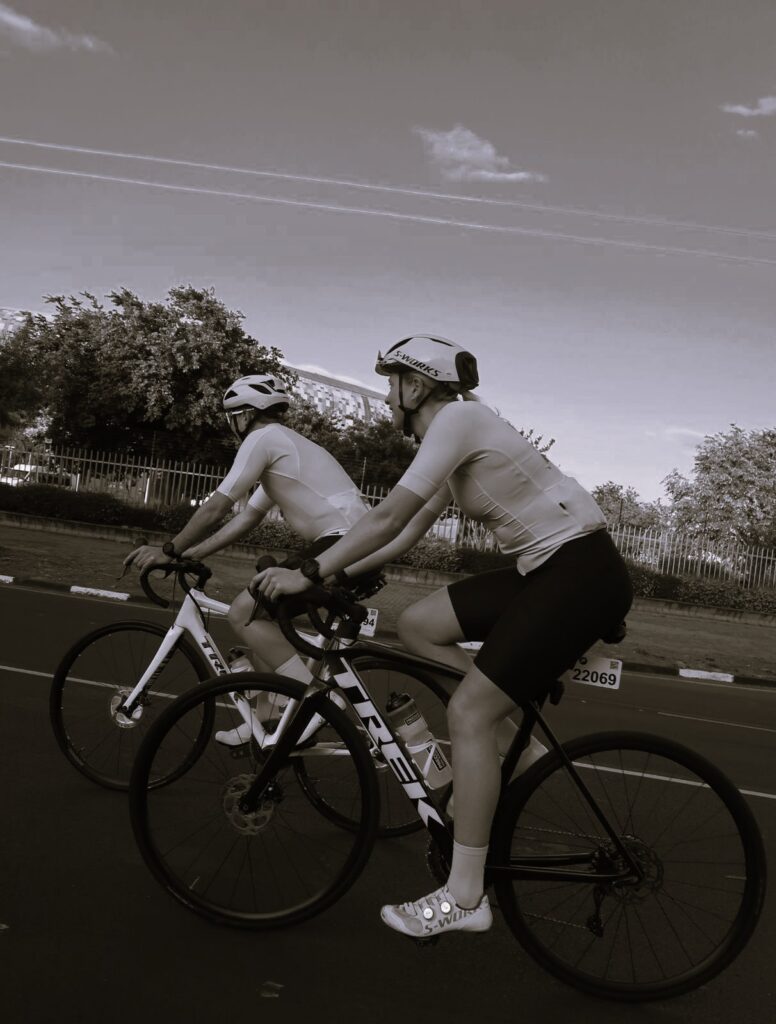
Turning Point: Power Returning to Her Stride
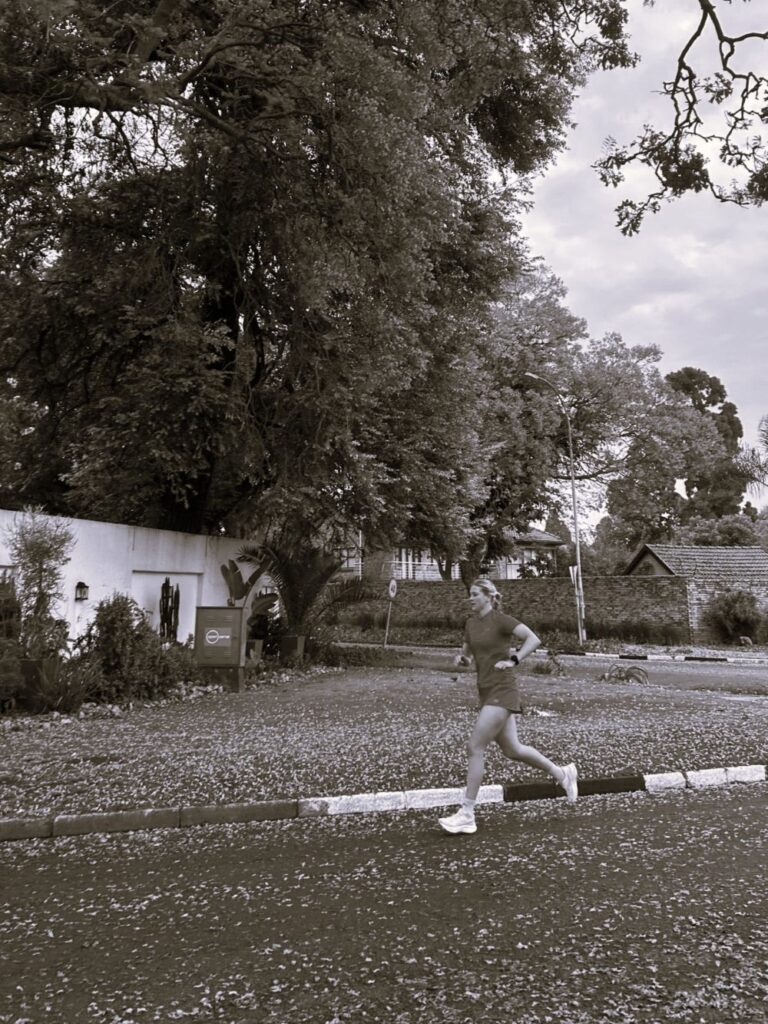
The first sign that things had shifted wasn’t just the absence of pain – it was improved control and strength. Her first 30-minute continuous run after three months off marked a milestone.
“From the first few attempts, I realized the pain wasn’t there anymore. The day I completed my first 30-minute continuous run was quite special.”
Two months later, she completed a 24–25 km long, hilly run without pain.
“That was the moment I knew the rehab had truly worked. My legs felt stronger and more stable, and I was using muscles that had never really switched on properly before.”
Clinically, this reflected restored hip extension control, improved load distribution, and resilience under hill stress – critical for triathlon performance.
Outcome: Stronger Than Pre-Injury Baseline
By discharge, Sarah had returned to full training capacity. She resumed racing on the bike and began rebuilding high-speed run intervals.
“I’m now training consistently and feel stronger than before. My running form feels more powerful, especially on hills, and the strength work has even improved my cycling performance.”
Despite months of modified training, she achieved a personal best at the 947 Cycle Race.
Perhaps most importantly, the fear is gone.
“I no longer carry the fear or frustration of the injury. Instead, I feel confident, supported, and capable.”
She continues her strength program twice weekly and has developed a sharper awareness of fatigue and stress management – a long-term competitive advantage.
“My training, confidence, and enjoyment have all returned – better than before.”
Physio Insight:
In competitive amateur athletes, persistent ITB pain is rarely just local tissue irritation. It’s often a load-capacity mismatch driven by hip control, mobility restriction, and training stress. When biomechanics and capacity are restored properly, athletes frequently return stronger than pre-injury baseline.
Struggling with persistent pain that is disrupting training and competition?
Book an assessment with our experienced physio – and let’s build a structured plan to get you back to racing stronger, not just pain-free.

Case Study: ITB Syndrome in a Runner and CrossFit Enthusiast in Her 20s
Presenting Problem: Chronic ITB Syndrome and Knee Pain
Saskia, a 25-year-old recreational runner and CrossFitter, had been struggling with a running injury for three years when she came for physio. She had bilateral iliotibial band syndrome (aka ITBS, sometimes also called ITBFS) — a condition causing sharp pain around her knees, especially during runs, descending stairs, or even sitting for extended periods.
“[I had] ITBS in both knees. This resulted in excruciating pain when running for distances over 500m, hiking (especially on the downhills), or sitting for long periods. The problem persisted despite seeing various specialists before I consulted with Carmen.” — Saskia
The Frustration of Running Pain and Dead-End Treatments
The long journey without clear answers left her physically limited and mentally defeated.
“It was so demotivating. With every new physio or biokineticist and no improvement to an injury that should go away 80% of the time, I thought I would never be able to run again at the age of 25.”
Treatment Plan: A Multi-Disciplinary Path to Recovery
On assessment, Saskia’s ITB syndrome was driven by a combination of movement inefficiencies linked to long-limb biomechanics, stiffness in her hips and ankles, and altered running mechanics. Early physio focused on managing load and building strength, coordination, and mobility — both in sessions and through tailored home exercises, which we later adapted to suit her CrossFit environment.
When her progress plateaued, we referred her to a sports physician and then to an orthopaedic surgeon. She was eventually diagnosed with chronic ITBS requiring bilateral ITB release surgery.
“They were the first physios to refer me to a sports physician and later a surgeon when the problem persisted. [After surgery,] the support involved post-surgery rehab and a plan to get back into running.”

Turning Point: Realising You’re Running Pain-Free After Years of Struggle
Saskia returned to physio for management and rehab after her early post-surgical recovery. And we started back with the basics – managing and protecting the healing tissue, then building strength and mobility, training running patterns, and finally reintroducing impact.
We worked and liaised with her surgeon throughout her recovery and rehab. When the surgeon gave the go-ahead, roughly three months post-surgery, Saskia started a progressive return-to-run program.
“I was using the run progression plan given by Carmen to build up to running consistently for 30 mins. I was a few weeks into this program and every run felt amazing (even with walking). On one week I was able to run past the 500m mark with no pain or discomfort – that was the first time I started to have a bit of hope that everything was working.”
Clinically, this was when we saw consistent pain-free loading through the knee — confirming successful surgical intervention along with steady gains in strength and functional movement control.
Outcome: Life After ITB Surgery and Rehab…Back to Distance Running!
Today, Saskia is back to running pain-free. She was so involved in her recovery, and maintained consistent rehab and strength work, even as she was getting back into normal training – a really rewarding client to work with! In the year following surgery, she has built up to 14km runs and is training for the Two Oceans Half Marathon.
“It feels amazing. I can run with no pain and have even tackled a 14km in the past year. The plan is to do the Two Oceans 21km in April.”

Physio Insight:
ITBS can often be managed conservatively — but persistent cases like Saskia’s need timely escalation and collaborative care. Rehab after surgery is just as important as the procedure itself. As is the patient being involved and committed to their recovery.
Struggling with persistent knee pain or running injuries?
Book an assessment with our experienced physio — we’ll help you move forward with clarity and a plan.

Case Study: ACL Rupture in a Brazilian Jiu-Jitsu Athlete – Rebuilding Strength and Stability After Surgery
Presenting Problem: Knee Instability After a “Pop” During Training
Thiago, a banking professional in his 40s and dedicated Brazilian jiu-jitsu athlete, came to physio after a knee injury during grappling. He’d felt and heard a “pop”, followed by increasing discomfort and instability – especially during jiu-jitsu – although he was still able to train in the gym.
“I heard the pop when it happened. I continued training and gyming for a few weeks, but it didn’t get any better. On the contrary, it got progressively more painful, especially after jiu-jitsu” — Thiago
His presentation wasn’t typical for an ACL tear as he had minimal swelling. But clinical assessment raised concern for internal knee injury, and imaging confirmed a full ACL rupture with meniscus damage – along with signs of longstanding ACL insufficiency that had previously been compensated for by strong muscular control.
Thiago underwent ACL reconstruction surgery and returned to physio one week post-op, ready to begin the long road back.
Patience, Slow Progress, and Unexpected Setbacks
Like many driven athletes, Thiago approached surgery expecting a challenge – but not quite this scale.
“I embarked on the surgery comprehending that it was a massive surgery, but I was still very surprised at just how slow the improvements took place.“
Recovery required patience, especially through the early phases. There were also moments of uncertainty along the way:
“I remember very vividly doing one of the stretches I heard a massive pop. We thought it was one of the tendons stuck with some scar tissue.”
The pop was a small tear of tethered scar tissue around the tendon harvest site and not an injury to either the tendon or ligament graft. With guidance and reassurance from both physio and surgeon, this was managed as a normal post-op setback – and rehab continued with adjusted loading.

Treatment Plan: Build Strength Early, Progress with Precision
Thiago’s rehab was structured, progressive, and closely aligned with his surgical protocol.
Early physiotherapy focused on:
- Managing swelling and inflammation
- Restoring quadriceps activation
- Protecting the surgical repair
We then progressed into:
- Gradual weight-bearing and gait retraining
- Mobility work within safe limits
- Progressive strength training
By 6 weeks post-op, we transitioned into more functional work – including balance, lunges, stair work, and return to gym-based training. At 12 weeks, Thiago progressed into end-stage rehab with biokinetics, while continuing to work on range and movement quality.
A key part of the process was adapting the plan as he progressed – and building a strong therapist-athlete relationship.
“You were extremely attentive from the start and very quick to identify that I needed to see someone else. The constant progression worked well, adapting to my recovery. And the patient and therapist relationship is something that I really valued.”
Turning Point: Small Wins That Build Momentum
For Thiago, progress came in layers – small wins that built confidence and capacity over time. One standout moment was regaining calf strength and control.
“I remember one of the things that took a very long time was being able to go on my tiptoes and how my leg would shake. You get every new stretch and after a few days things would start getting a little bit better.”
Each session reinforced progress and direction:
“I would leave feeling great. There was a little bit of manipulation, a little bit of new exercises. So doing the homework at home, and then that session that kind of tops it up and helps move to the next level. It just felt like you’re constantly moving.”
Clinically, Thiago was regaining neuromuscular control, improving strength symmetry, and building readiness to progress toward higher-level function.
Outcome: Stronger, More Stable, and Building Back to Sport
Thiago is now back in the gym and has started a gradual return to running, an important milestone in his recovery. While he hasn’t yet returned to jiu-jitsu, he’s approaching it strategically and prioritising long-term performance.
“I’ve started doing short runs, one minute, two minutes. It feels a lot stronger – it actually feels a lot more stable than the ‘good’ leg. I’m going to start [jiu-jitsu] very slowly and not run the risk of having a very explosive opponent.”
Perhaps most notably, improved lower limb stability has had a positive knock-on effect to his ongoing back concerns:
“Since the operation, I haven’t had any lower back issues. My back feels really good.”
Thiago is currently seeing a biokineticist for end stage rehab and return to sport training. With continued progression, he is on track for a confident return to sport.
“It’s definitely progressing well. I’m really looking forward to starting jiu-jitsu again. I can’t wait.”

Physio Insight:
ACL injuries don’t always present dramatically – strong athletes can compensate for years. But without proper stability, performance and joint health are at risk. Structured rehab restores not just stability, but confidence and long-term capacity.
Knee instability, a “pop”, or ongoing discomfort in training? Don’t ignore it.
Book an appointment with our experienced physio – and get a clear diagnosis, a structured plan, and a pathway back to strong, confident performance.

Case Study: Hip Dysfunction & Anterior Knee Pain – Back to Running After Two Difficult Years
Presenting Problem: Knee Pain After Hip Surgery and a Lost Running Identity
Nerissa had been through the wringer. She came to Hyde Park Physiotherapy with left knee pain after a long and frustrating recovery from hip surgery. Once an keen runner, she had spent two years trying multiple treatments without getting back to the sport she loved.
“I used to be an avid runner but struggled to get back into running after the surgeries. I prepared myself for a sedentary life, which was not what I wanted!” — Nerissa
Clinically, Nerissa presented with anterior knee pain (patellofemoral dysfunction), a condition frequently driven by what we’d call a “volume mismatch”. Do too much, too fast – or lose strength after a period of inactivity – and the joint’s tolerance drops. The result is pain that cycles and lingers, especially in runners. Combined with her post-surgical hip history, weakness throughout her quad, hip flexors, and calf was clearly contributing to the problem.
The Frustration: Specialist Fatigue and Losing Hope
By the time Nerissa walked into our practice, she’d seen a biokineticist, a physiotherapist, a chiropractor, and a sports physician. She was exhausted, and understandably skeptical.
“I was tired of specialists. I was feeling quite low, and dreading having to explain my medical history to a new specialist again. I’m sure I was quite rude! But Carmen didn’t let this bother her. It felt like I had been taking 1 step forward, 5 steps back over the last 2 years.“
For active, driven people, being unable to move freely often affects far more than fitness – it chips away at confidence, routine, and identity. And it matters clinically, because trust in your body and buy-in to treatment are part of what makes rehab work.

Treatment Plan: Rebuild Strength, Restore Hip Control, Return to Running
Initial assessment was tricky: pain inhibition limited what Nerissa could fully demonstrate, but the pattern was clear. Weakness in the hip, quad, and calf was the primary driver, and we built her programme around that – starting at a volume she could actually tolerate, building incrementally, and layering movement quality in as her pain settled.
The plan unfolded in stages:
- Phase 1: Rebuild leg strength from the hip down + manage load
- Phase 2: Improve movement control and running mechanics
- Phase 3: Gradually reload walking, then running, at tolerable volumes
Nerissa also responded well to a non-clinical moment early on. During one of our first sessions, she noticed Carmen examining her leg carefully.
“Carmen told me she was ‘reading my leg’. I thought she was feeling the muscles and interpreting the structure – but she was actually reading the tattoo! We had a good laugh, but in all honesty, I do think Carmen was reading my leg. She has insight and understanding of how the body works which goes beyond any other specialist I’ve seen.”
That combination of technical depth and genuine human connection made a difference – especially for someone who’d lost confidence in the process.
“She sees what matters to you and works WITH you to reach your goals.”
Turning Point: A Simple Movement Changed Everything
The moment that shifted everything was surprisingly simple.
“An exercise which seemed so simple, sitting on the floor, straight-legged, back straight, and lifting one leg at a time off the floor. I could not do it! It felt ridiculous. I immediately realized this is one of the core problems causing my knee pain. A few sessions later, this is now something I can do with relative ease. Such a small thing, but it meant so much to me.”
That exercise (an active straight leg raise) is a direct indicator of hip flexor and quad function. The fact that Nerissa initially couldn’t perform it confirmed the extent of her motor inhibition and disuse weakness. Getting it back wasn’t just a physical win; it was the beginning of trusting her body again.
Outcome: Running Again, Pain-Free, With Big Goals Ahead
After months of consistent work Carmen cleared Nerissa to begin a structured running programme. She’s now five weeks in, pain-free.
“Carmen made me cry when she gave me the go-ahead to start a running program again. I honestly thought I was never going to be able to run again! I have now completed the 5th week of this running program, without experiencing any pain. The joy is indescribable – I am running again!”
Her next goal? A 10km race.
“I can’t wait to do my first 10km race. If I keep doing my exercises and listening to Carmen, this is a goal I can achieve!“

Physio Insight:
Anterior knee pain after hip surgery is rarely just a knee problem. The hip and knee are deeply interdependent: weakness or altered mechanics upstream will always show up downstream. A thorough assessment, an honest load management plan, and a patient willing to do the work: that’s the formula.
Dealing with persistent pain, or struggling to return to running after injury or surgery?
Book an appointment with our experienced physio – we’ll find what’s actually driving the problem and build a plan that gets you moving again.

Case Study: Achilles Tendon Rupture in a Trail Runner – Back to Running After Surgery
Presenting Problem: Sudden Achilles Rupture and Loss of Function
Terrence, a 32-year-old creative professional and keen trail runner, presented just three days after a sudden ankle injury sustained while dancing. He described a painful “pop,” followed by immediate difficulty walking and significant swelling.
Clinical assessment strongly suggested an Achilles tendon rupture – later confirmed by a specialist the same day. He underwent surgical repair the following day.
Terrence recalls:
“I first went to Hyde Park Physiotherapy thinking I had sprained or pulled a muscle. I was walking with a very bad limp and lots of pain. Carmen was able to diagnose the problem within minutes. She suspected I had ruptured my Achilles which was later confirmed by a surgeon later that day.” — Terrence
After four weeks in a cast, he returned to physio with a clear goal:
“Please help me walk and run again as soon as possible.”
From Trail Running to Starting Over
For someone who loves trail running, the biggest challenge was the reality of the recovery timeline.
“I could not believe how long the recovery from surgery would be. It was frustrating coming to terms with it being months off instead of weeks.”
Once the cast was removed, a new challenge emerged:
“The next frustration was how weak my legs were.”
Treatment Plan: Restore Strength, Rebuild the Tendon, Return to Running
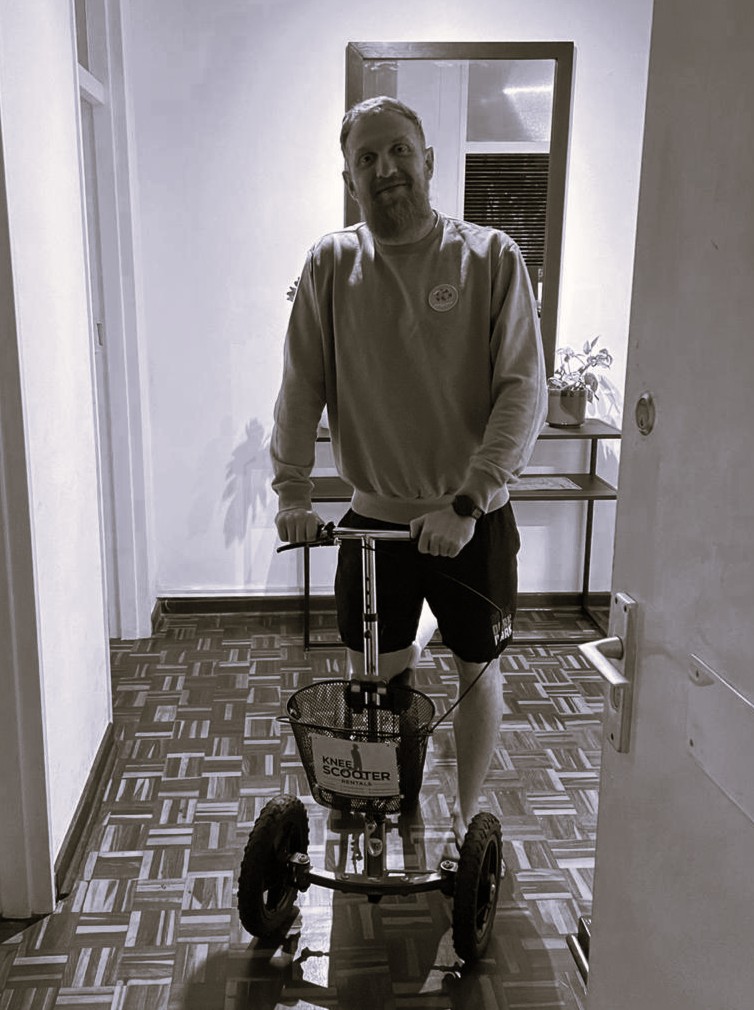
Rehabilitation began six weeks post-op, following cast removal. Early physio focused on restoring safe movement patterns and protecting the healing tendon, while rebuilding strength through the lower limb.
We worked through a structured progression:
- Gait retraining in a moon boot, gradually transitioning to full weight-bearing
- Restoring ankle mobility while avoiding excessive stretch on the healing tendon
- Progressive strengthening of the calf complex (gastrocnemius and soleus)
- Maintaining proximal strength with a tailored gym program
- Introducing cardio early via stationary cycling
As strength and control improved, we progressed to dynamic balance work, calf loading, and eventually low-level plyometrics. Once Terrence met objective strength and stability benchmarks, we introduced a graded return-to-run program, followed by higher-level drills to restore tendon “spring” and running efficiency.
Terrence valued the clarity and support throughout:
“Not only is Carmen exceptionally knowledgeable, she also truly cares. She was with me every step of the way, making sure I understood what we were doing and why. It was easy to do all the rehab exercises because I knew exactly why I was doing them and how they will help my recovery.”
Turning Point: From Limping to Walking Normally Again
For Terrence, the early wins were powerful – and highly motivating.
“When I came in with my moon boot Carmen immediately corrected my walk and it felt so amazing almost walking normally. The next was when I could take a proper step barefoot. That action of taking a step after so long was incredible.”
The defining moment came when pain finally dropped away:
“The moment I truly knew I was going to be back to running is when I took a step after a few weeks of rehab and there was no pain. I could finally walk normally again.”
Outcome: Back on the Trails and Building Distance Again
Now, Terrence has returned to running and is steadily rebuilding his endurance.
“I’m now running again and finally getting back on the trails. I can comfortably complete a 5km and am steadily working my way up to 10km.”
Looking back, the journey feels very different to how it felt in the moment:
“Recovering from my surgery felt slow at the time, but looking back, the progress has been incredible.”
With a strong foundation of calf strength, tendon capacity, and movement control, he is well-positioned to continue progressing safely back to full trail running.

Physio Insight:
Achilles tendon ruptures require patience – but with the right progression of loading, strength, and tendon conditioning, runners can return to impact sport with confidence and durability.
Dealing with an Achilles injury or recovering from surgery?
Book a session with our experienced physio – and let’s guide you back to strong, confident running.

Case Study: Severe Ankle Sprain in a Cyclist & Rock Climber
Presenting Problem: A Grade 3 Ankle Ligament tear After a Climbing Fall
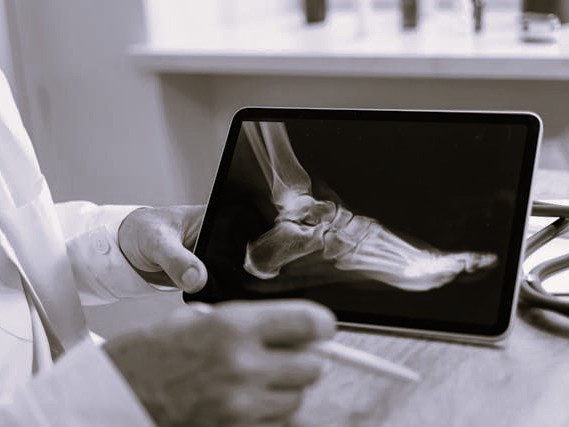
Jordan, a 26-year-old cyclist and recreational rock climber, came to physiotherapy four days after a forced inversion injury sustained during a fall while bouldering. His ankle was swollen, bruised, stiff, and unstable on manual testing – clear signs of a significant sprain. A sonar confirmed full-thickness grade 3 tears of both the ATFL and CFL with joint and tendon-sheath effusion.
“I had rolled my ankle while doing some bouldering at the climbing gym. That turned out to be two full width grade 3 ligament tears. Pretty badly damaged, I guess.” — Jordan
Uncertainty, Worry, and No Clear Plan
Like many active people suddenly sidelined, Jordan’s biggest struggle was uncertainty.
“Not knowing how long it would take, what I could do, what I couldn’t do without damaging it further. Would it be permanent damage or would it heal? Just not even being able to plan.”
He appreciated having guidance and clarity early in the process, including referral for imaging and a specialist opinion, and a personalised plan to work with.
“I appreciated how you explained things, and tailored it to me and how I wanted to handle things. I appreciated that more personal approach.”
Treatment Plan: Early Protection, Specialist Collaboration & Structured Rehab
Because this was a high-grade ligament injury – and Jordan wanted to return to cycling quickly – we worked closely with an orthopaedic specialist to outline a phased rehab plan, and return to cycling, impact loading, and eventually climbing.
Physiotherapy focused on early protection and swelling management, restoring mobility, and gradually rebuilding balance, strength, and confidence.
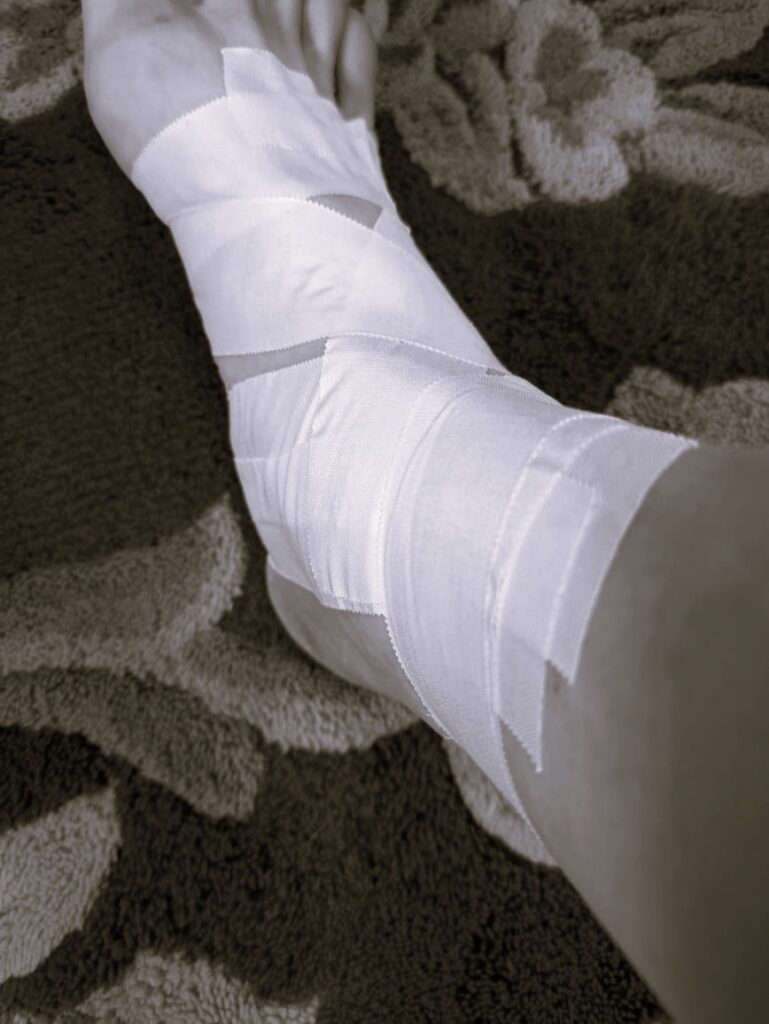
Jordan chose to return to light cycling around day 10 with a brace or supportive taping, after discussing the risks and precautions with his surgeon.
As healing progressed, we layered in stability work, agility drills, and a graded return to both other activity and climbing.
Turning Point: Regaining Confidence Through Clarity & Consistency
For Jordan, the turning point wasn’t a single dramatic moment – it was the shift that happened once he understood the injury, the healing timeline, and the purpose of each stage of rehab.
“Once I’d had the chat with the orthopaedic surgeon and we started the physio, and you’d also explained what the exercises were doing and what the recovery process would look like. I think that I just sort of had peace after that and was following and trusting the procedure.”
That clarity replaced uncertainty with confidence – and his progress followed consistently from there.
Outcome: Cycling at Full Strength & Building Back Into Climbing
Jordan is now back to full-capacity cycling and gradually increasing his climbing load with confidence.
“It’s largely returned to normal now. Cycling is back at full capacity. Climbing, I’m still taking it easy, but I’m a lot more confident, not having to baby it so much, just doing some taping to make sure it doesn’t reinjure.”
Following his treatment plan, he’ll continue to protect the ankle during higher-demand activities for a few more months, but no longer feels limited.
His recovery reflects the benefits of early imaging, specialist input, and structured, progressive rehab.
Physio Insight:
High-grade ankle sprains need early protection, clarity, and structured progression. With the right plan, even severe ligament tears can often return to full function and confident movement without surgery.
Struggling with an ankle injury or worried about the severity of a sprain?
Book a session with our experienced physio – we’ll help you get the right diagnosis, protect the injury early, and map out a confident return to sport.
When busy professionals get injured it’s hard for them to make time for treatment. Our physios build a recovery plan around each person’s lifestyle and training goals. Aiming to give each person great recovery, with time to work, train, and play.
+27 11 325 4134
Pain | Sports Injury | Pilates


